




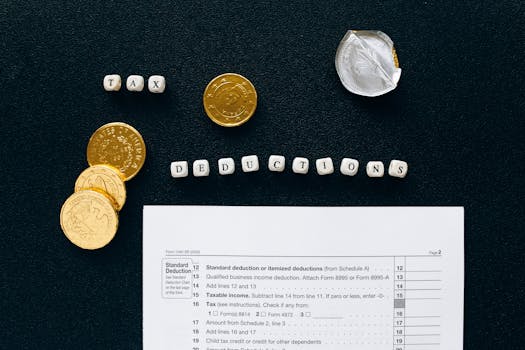
Ever looked at your property tax bill and wondered how it’s calculated? It’s a question many Illinois homeowners grapple with, especially after sinking a good chunk of change into making their house a dream home. You’ve invested in making your space more comfortable, functional, and beautiful, but there’s a nagging thought: could these improvements actually cost you more in the long run through higher property taxes? It’s a valid concern, and understanding what home improvements increase property taxes in Illinois is key to smart homeownership.
Let’s be honest, nobody wants a surprise increase on their tax bill. While you might not be able to avoid property taxes altogether, knowing which renovations tend to trigger reassessments can help you budget wisely and even strategize your upgrades.
The Big Picture: How Illinois Assesses Property Value
Before we dive into specific improvements, it’s helpful to understand the general idea behind property tax assessment in Illinois. Your property taxes are based on your home’s assessed value, which is a percentage of its market value. This assessed value is then multiplied by your local tax rate to determine your tax bill.
Market Value: What your home could likely sell for on the open market.
Assessed Value: A portion of your market value, determined by your county assessor.
Equalization Factor: This factor is applied by the Illinois Department of Revenue to ensure uniformity in assessments across different townships and counties.
While regular reassessments happen periodically, significant changes to your property’s structure or features can sometimes prompt an interim assessment, meaning your property’s value is re-evaluated outside of the typical reassessment cycle. And guess what often triggers these interim assessments? Major home improvements!
The Usual Suspects: Major Additions and Structural Changes
When you’re contemplating what home improvements increase property taxes in Illinois, the most impactful ones are typically those that add square footage or fundamentally alter the structure of your home. These are the projects that clearly increase your property’s overall size and utility, making it more valuable.
Adding a New Room: This is perhaps the most obvious one. Whether it’s a new bedroom, a family room addition, or expanding your kitchen, adding livable square footage directly increases your home’s market value and, consequently, its assessed value.
Finishing a Basement or Attic: Transforming unfinished spaces into usable living areas is a fantastic way to boost your home’s value. A finished basement with bedrooms and a bathroom, or a converted attic offering extra living space, will likely be factored into your property’s assessment. It’s like getting more house for your money, and the assessor sees it that way too!
Building a Garage or Expanding an Existing One: While a simple carport might fly under the radar, a substantial addition to your garage or the construction of a new, multi-car garage is considered a significant improvement that adds value and utility.
Enhancing Your Home’s Functionality: Kitchens and Bathrooms
While adding square footage is a surefire way to impact your taxes, high-end renovations that significantly increase your home’s functionality and desirability can also play a role. Think of projects that make your home more comfortable and appealing, potentially attracting a higher sale price.
Major Kitchen Remodels: We’re not talking about a coat of paint and new cabinet hardware here. A full gut-and-remodel kitchen with high-end appliances, custom cabinetry, and granite or quartz countertops can significantly increase your home’s value. It makes your home more attractive to buyers and thus, more valuable in the eyes of the assessor.
Adding or Renovating Bathrooms: Similar to kitchens, adding a new bathroom or undertaking a luxury renovation of an existing one – think walk-in showers, custom vanities, and premium fixtures – can boost your property’s assessed value. Bathrooms are a major selling point, and upgrades here are often recognized.
Outdoor Amenities That Can Add to Your Tax Burden
It’s not just what happens inside your four walls that matters. Improvements to your property’s exterior and outdoor living spaces can also influence your assessed value.
Swimming Pools: While a beautiful addition for your enjoyment, a permanent in-ground swimming pool is often considered a luxury amenity that can increase your property’s market value. Above-ground pools are usually less of a factor, but it’s always worth checking local regulations.
Deck or Patio Additions (with caveats): A basic concrete patio might not move the needle much. However, a large, elaborate deck with built-in features like outdoor kitchens or fire pits, or a significant, well-constructed patio addition, can contribute to an increased assessment.
What Usually Doesn’t Impact Your Property Taxes (Much)
It’s also helpful to know what kind of improvements are generally less likely to trigger a significant property tax increase. These are typically repairs or updates that maintain your home’s current condition rather than substantially increasing its value or livability.
Cosmetic Updates: Interior painting, new flooring (replacing old carpet with new carpet, for example), updating light fixtures, or replacing older windows with similar modern ones often fall into the category of maintenance and are unlikely to cause a reassessment.
Routine Repairs: Fixing a leaky roof, repairing damaged siding, or replacing an aging HVAC system are essential for maintaining your home, but they generally don’t add value in a way that would trigger a tax increase. They’re bringing your home back to its previous state, not elevating it.
Landscaping (minor): While a professionally designed, elaborate landscaping plan might add curb appeal and some value, basic lawn care, planting a few trees, or adding flower beds usually doesn’t have a substantial impact on assessed value.
Navigating the Maze: How to Stay Informed
So, how can you stay ahead of the curve and understand what home improvements increase property taxes in Illinois specifically for your situation?
- Check with Your Local Assessor’s Office: This is your most direct line to accurate information. Counties like Cook County have their own assessment schedules and procedures. Many assessor websites offer resources and FAQs about improvements and assessments. Don’t hesitate to call them!
- Review Your Property Tax Bill: Understand how your current bill is calculated. Look for information about your current assessed value and any details that might indicate a recent reassessment.
- Consult with Real Estate Professionals: Experienced local real estate agents or appraisers can offer insights into how various improvements are perceived in your specific market.
- Understand Your County’s Reassessment Cycle: Illinois counties have different schedules for reassessing properties. Knowing when your area is due for a reassessment can help you anticipate potential changes.
It’s a bit of a balancing act, isn’t it? You want to enjoy your home and invest in its future, but you also need to be mindful of your ongoing expenses. When you’re planning those bigger projects, like adding that dream sunroom or finally finishing that basement, it’s always a good idea to do a little homework on the potential property tax implications.
Wrapping Up: Smart Upgrades, Smarter Taxes
Ultimately, the goal of most home improvements is to enhance your living experience and, hopefully, increase your home’s long-term value. While it’s true that certain significant upgrades can lead to higher property taxes in Illinois, understanding which* improvements have that effect is the first step to making informed decisions. Major additions, structural changes, and high-end functional upgrades like kitchens and bathrooms are the usual culprits. Minor repairs and cosmetic updates, on the other hand, tend to be less impactful.
Considering your next home project? How will you weigh the joy and utility of an upgrade against its potential impact on your annual property tax bill?